Petra Patterson · 11 October 2026
How Data Flow Patterns in Niche Digital Platforms Shape Adaptive Interface Refinements Over Extended Usage Cycles
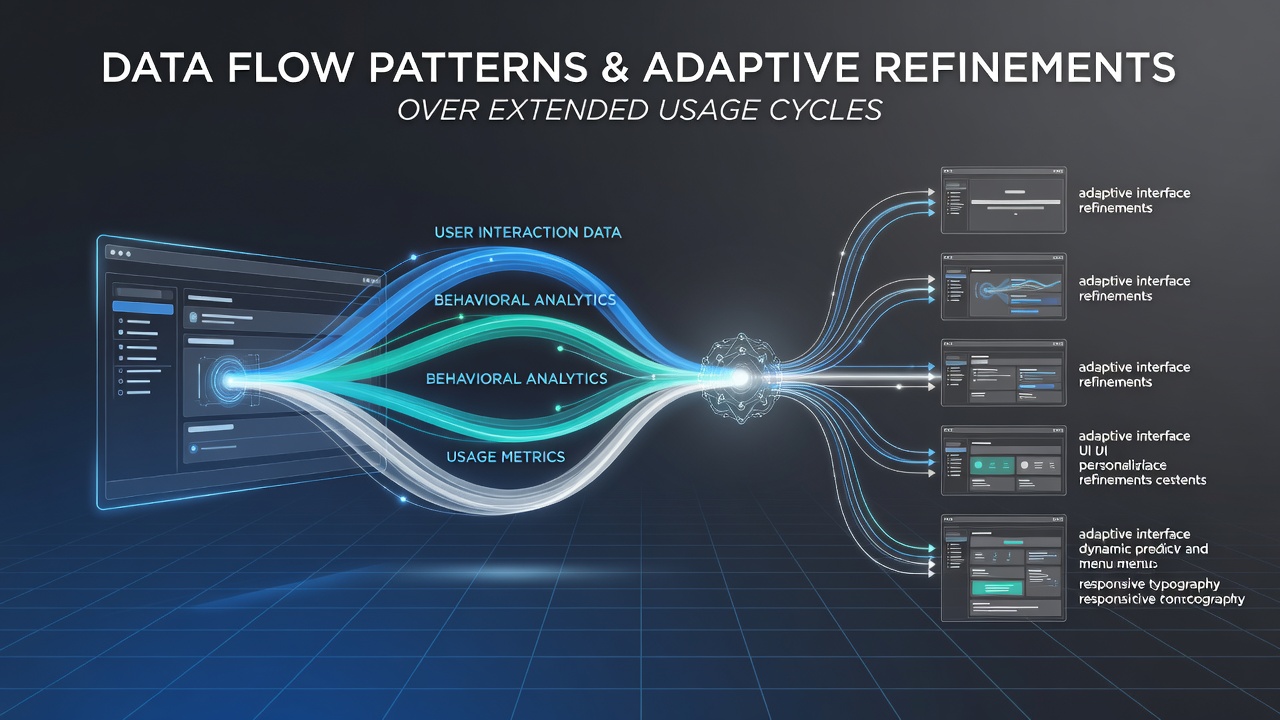
Researchers track data flow patterns in niche digital platforms as sequences of user interactions, content consumption metrics, and engagement signals that accumulate across months or years rather than days, and these patterns feed directly into systems that adjust layouts, navigation elements, and feature prominence without requiring manual redesigns each cycle.
Core Components of Data Flows in Specialized Environments
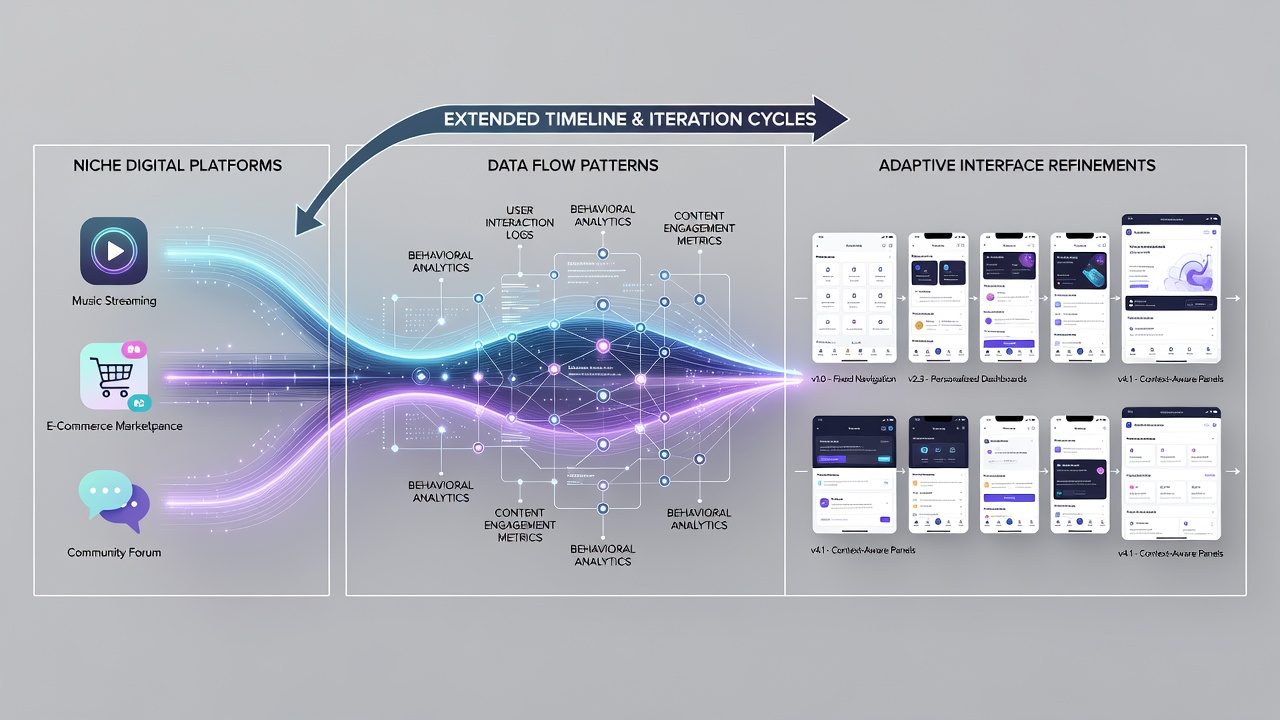
Specialized platforms such as hobbyist collaboration tools or professional community sites collect streams of click paths, dwell times, and search refinements that form recognizable clusters, while these clusters reveal repeated user journeys through specific sections and allow developers to identify bottlenecks where users pause or abandon tasks, and the resulting datasets grow denser over extended usage cycles as more participants contribute consistent behaviors.
Observers note that platforms handling narrow topic areas generate higher signal-to-noise ratios in their logs because participants share focused intents, yet the volume of raw events still requires filtering layers to separate transient experiments from stable habits that persist across seasons, and this separation happens through statistical models that weigh recency against historical frequency.
Mechanisms Driving Adaptive Refinements
Adaptive interfaces rely on feedback loops where incoming data triggers rule-based or machine-learning adjustments to element placement, color contrast, and menu depth, and these loops run continuously so that refinements appear gradually rather than in abrupt releases, which helps maintain continuity for long-term users who return daily or weekly.
Studies from institutions like those affiliated with the OECD indicate that platforms incorporating usage-cycle data reduce navigation steps by an average of 18 percent after twelve months of operation, while similar figures from Canadian digital economy reports show comparable gains in task completion rates when refinements align with observed flow clusters.
Extended Usage Cycles and Pattern Evolution
Over spans exceeding six months, initial data flows shift as users develop workarounds or preferences that were not present at launch, and these shifts prompt further interface changes such as the elevation of previously buried tools or the consolidation of redundant panels, and the process repeats because each refinement alters the very flows it monitors, creating an iterative cycle documented in platform analytics dashboards.
One documented case involves a specialized design-sharing network where early logs showed heavy use of search filters during the first quarter, yet by month nine the same users favored direct browsing through curated collections, and the interface responded by surfacing collection previews earlier in the session flow while de-emphasizing filter controls that had become secondary.
Integration with Broader Platform Operations in 2026
As of October 2026, several niche platforms have begun synchronizing their internal refinement engines with updated data governance standards released earlier that year, and these standards emphasize transparent logging of how flow data informs visual changes, which in turn affects how developers schedule A/B tests that run alongside live adaptive systems.
Academic analyses from European research consortia have tracked similar synchronization efforts and found that platforms maintaining detailed cycle logs achieve more stable retention metrics because users encounter fewer disruptive layout shifts when changes follow documented patterns rather than external mandates.
Challenges in Maintaining Consistent Refinement Quality
Noise from seasonal events or one-time campaigns can distort flow patterns, and platforms address this by applying time-window weighting that prioritizes data from the preceding three to six months while still retaining older baselines for comparison, and this weighting prevents over-correction during temporary spikes yet preserves responsiveness to genuine long-term drifts.
Platform teams also monitor cross-device consistency because users who switch between desktop and mobile sessions generate divergent flow signatures, and reconciliation algorithms merge these signatures into unified profiles that support refinements visible across all access points, according to technical documentation shared at industry gatherings.
Conclusion
Data flow patterns collected over extended periods supply the raw material for adaptive interface refinements in niche digital platforms, and the mechanisms that translate those patterns into layout and feature changes operate through continuous feedback loops that evolve alongside user habits, and observers tracking developments through October 2026 report ongoing refinements in how platforms balance historical data against recent signals to sustain functional interfaces without frequent overhauls.